
Exterior Washing
Practical approaches to clearing away everyday dirt, motorway grime, and muddy road spray.
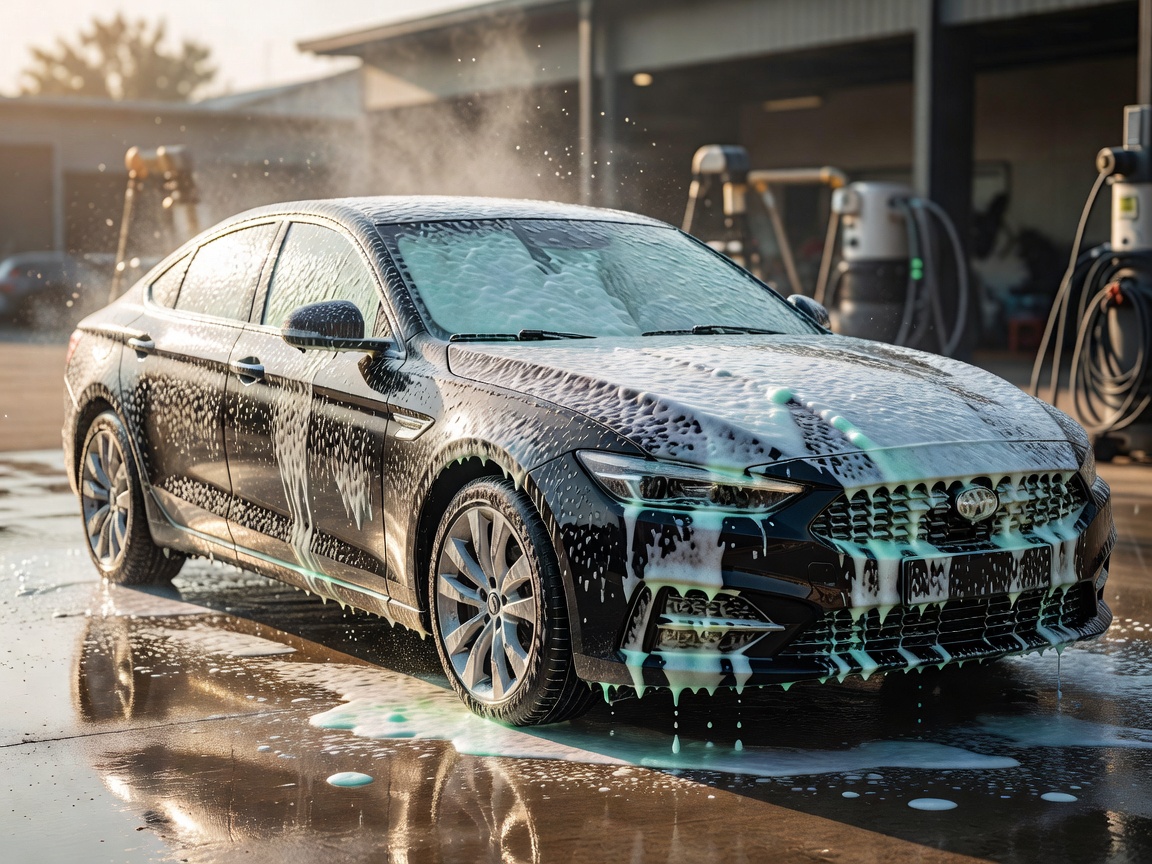
An effective exterior wash is about more than just making the car look presentable; it is about safely removing abrasive particles. UK roads present challenges like winter salt and urban traffic film, which require methodical removal to prevent surface marring.
The Pre-Wash Stage
Before any wash mitt touches the paint, a pre-wash is essential. This involves using dedicated foams or citrus degreasers to loosen and suspend dirt. By rinsing this layer away first, the risk of dragging grit across the clear coat is significantly reduced.
Safe Contact Washing
When contact is necessary, it is vital to employ safe techniques:
- Utilising multiple buckets (one for wash solution, one for rinsing).
- Using high-quality microfibre or wool wash mitts that draw dirt away from the surface.
- Working from the cleanest panels (usually the roof) down to the dirtiest lower sections.
- Using specific, separate equipment for wheels and arches due to brake dust contamination.
Safe Drying Methods
Drying a vehicle incorrectly can cause micro-scratches. Instead of using traditional leathers, safe drying involves:
- Plush microfibre drying towels that absorb large volumes of water rapidly.
- Air blowers for forcing trapped water out of grilles, mirrors, and trim pieces.
- Using a drying aid or quick detailer to provide lubrication if towel contact is required.
Results vary based on existing condition
A standard exterior wash will remove loose dirt and grime but will not rectify existing paint defects, deep scratches, or faded plastics. Those issues may require detailing stages.