Ceramic Protection Options
Understanding coatings, sealants, and how to maintain them in real-world UK conditions.
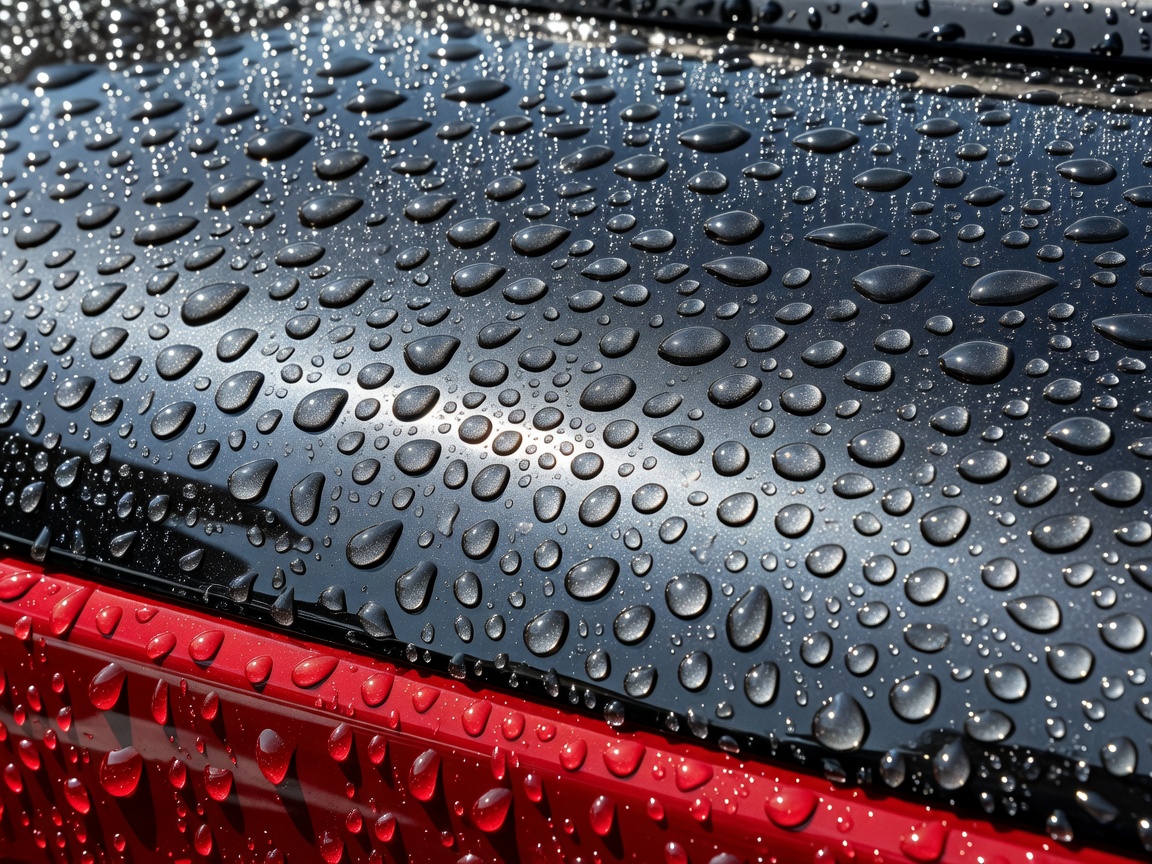
Ceramic coatings are liquid polymer solutions applied to the exterior surfaces of a vehicle. When cured, they form a chemical bond with the factory clear coat, providing a hydrophobic layer that can help protect against environmental contaminants.
Understanding Ceramic Coatings
Coatings offer excellent resistance to UV rays, bird lime etching (if caught quickly), and chemical degradation from harsh traffic film removers. They also make routine washing much easier due to their water-repellent nature.
No Permanent Protection
We never promise permanent protection or immunity from stone chips or scratches. Ceramic coatings are sacrificial layers that degrade over time.
What Affects Durability?
The lifespan of any ceramic coating or synthetic sealant depends on numerous factors:
- Preparation: The paint must be meticulously decontaminated and polished to ensure proper bonding.
- Product Choice: Different formulations offer varying lifespans (typically 1 to 5 years).
- Mileage: A car driven 20,000 miles a year on motorways will degrade a coating faster than a weekend vehicle.
- Weather: UK rain, winter road salt, and temperature fluctuations play a significant role.
- Washing Routine: Taking a coated car through an automated brush wash will rapidly degrade or strip the coating.
- Vehicle Storage: Garage-kept vehicles inherently retain their protection longer than those parked on a busy street or under trees.
Maintenance Routine
To get the most out of a ceramic coating, it requires regular safe washing using pH-neutral shampoos and occasional decontamination to unclog the pores of the coating. If left unwashed for months, the hydrophobic properties will diminish as dirt masks the surface.